Freight Forwarder Capability Check: What to Evaluate Before Your Next Ocean, Air, or Rail Shipment
Freight Forwarder Capability Check: What to Evaluate Before Your Next Ocean, Air, or Rail Shipment
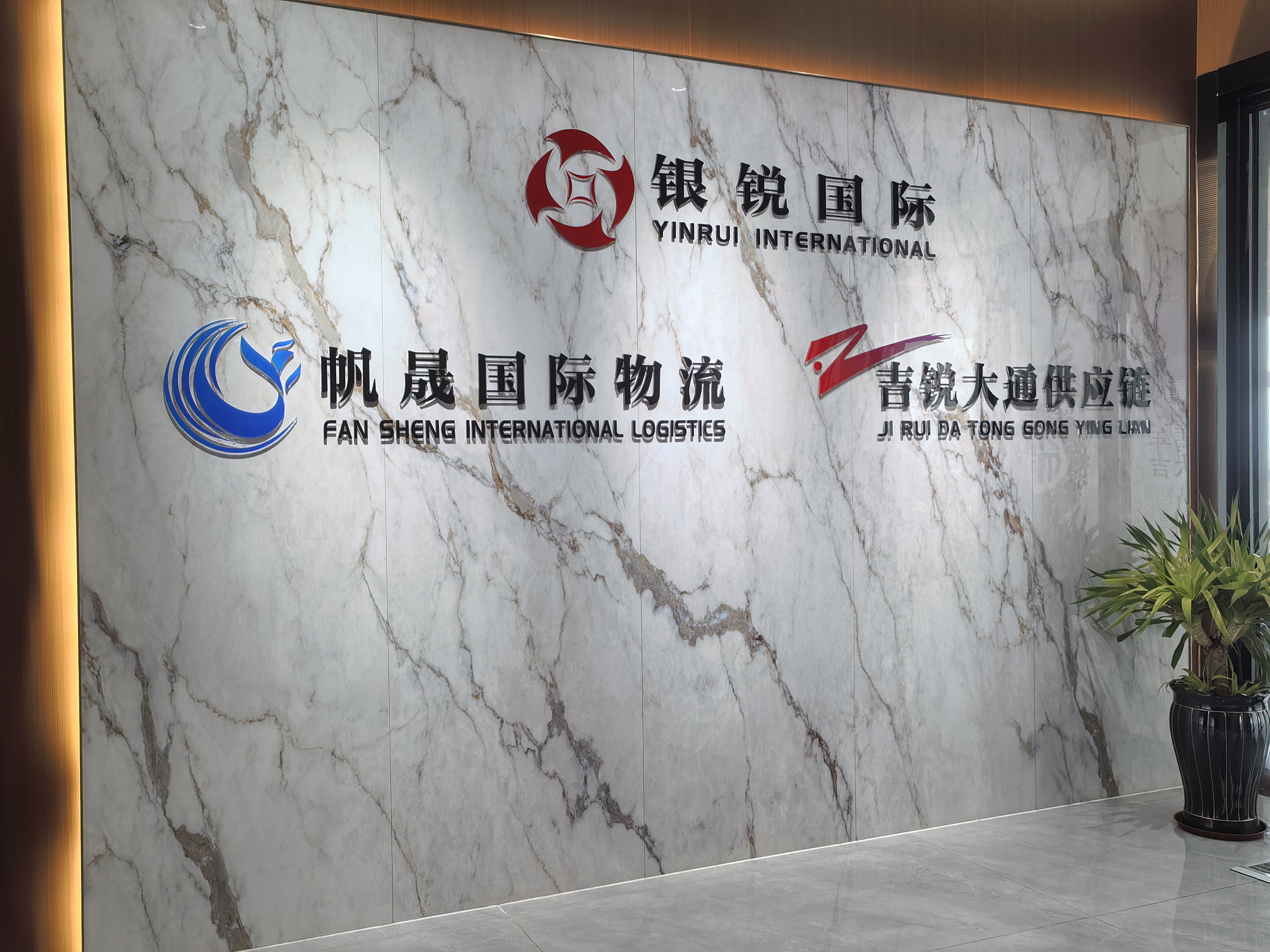
A capable freight forwarder coordinates ocean, air, rail, customs, warehousing, and final delivery under one process.
When a buyer moves from evaluation to execution, the key difference between a good shipment and a disrupted one is usually the freight forwarder's capability to plan, coordinate, and track the whole journey. A freight forwarder is a logistics service provider that arranges international shipments on behalf of importers and exporters. It manages carriers, documentation, customs procedures, warehousing, and last-mile delivery. For many B2B buyers, the forwarder is the single coordination point connecting the factory, the port, the border, and the final receiver.
GUANGDONG FANSHENG INTERNATIONAL LOGISTICS CO.,LTD is a Guangzhou-based international freight forwarding enterprise approved by the Ministry of Commerce. Founded in 2015, the company provides sea freight, air freight, railway transport, express delivery, warehousing, and customs-related services. Fansheng serves customers worldwide, and its main markets include North America, South America, the Caribbean, Central America, Africa, Europe, Southeast Asia, and the Middle East.
Why Freight Forwarder Capability Matters More Than a Low Rate
The most common logistics problems are delivery delays, high logistics costs, and low visibility. Those symptoms usually come from fragmented coordination rather than from any single carrier's performance. When a shipment touches several handoffs, each transition creates risk: origin trailer, port, customs, ocean or air leg, destination port, and last mile. A forwarder with integrated global logistics coordination can reduce those risks by planning the whole chain in advance and supervising each handoff. For importers, the difference is not whether a shipment moves, but whether it moves on time, at a predictable cost, and with full visibility.
During the evaluation phase, buyers should verify that the forwarder can actually execute the required transport combination. A freight forwarder may quote a low rate, but if it lacks customs competence, multimodal options, or reliable tracking, the total cost of a delayed shipment can be much higher than the freight rate itself.
Freight Forwarding Industry Context in 2025–2026
The freight forwarding market remains an essential part of global trade. According to Grand View Research, the global freight forwarding market is valued at USD 225.4 billion in 2025 and is projected to reach USD 340.1 billion by 2033. Mordor Intelligence estimates that the sea freight forwarding segment reached USD 358.31 billion in 2025, with a CAGR of 5.26% through 2031. These figures differ because they measure different scopes, but both point to sustained demand for freight forwarding services.
China remains a central origin market for international logistics. According to the General Administration of Customs of China, China's total exports reached USD 3.58 trillion in 2024, a 5.9% year-on-year increase, strengthening its position as the world's largest goods trader. For freight forwarders operating from China, this creates a constant flow of ocean, air, and rail shipments to global destinations.
Rail freight is also part of the routing mix. The China-Europe Railway Express carried 1.8 million TEUs in 2024. In the same year, China-EU rail freight entering through Poland accounted for 88.6% of total eastbound flows, according to Upply and Chinese Customs data. For Europe-bound shipments, rail offers an alternative between the cost of ocean and the speed of air.
Compliance is another layer of capability. The IMO SOLAS Consolidated 2024 Edition introduced mandatory requirements for safe mooring and modernized the Global Maritime Distress and Safety System. A freight forwarder with customs coordination skills and awareness of current regulations can help shippers avoid avoidable delays.
At a global scale, large ocean forwarders such as Kuehne+Nagel, Sinotrans, and DHL ranked as the top three ocean freight forwarders by 2024 container volume, with Kuehne+Nagel handling 4.34 million TEUs according to Transport Topics. While most B2B buyers do not need the scale of a global giant, they still need route-specific execution capability and a clear coordination process.
What a Freight Forwarder Should Be Able to Deliver: The One-Stop Global Logistics Optimization Solution
Fansheng organizes its capability around the One-Stop Global Logistics Optimization Solution. The solution provides integrated logistics execution from booking to delivery through a global network and multimodal transportation capability. Its service modules include sea, air, rail, warehousing, and customs support. Its solution components cover Transport Planning, Freight Execution, Tracking, and Warehousing.
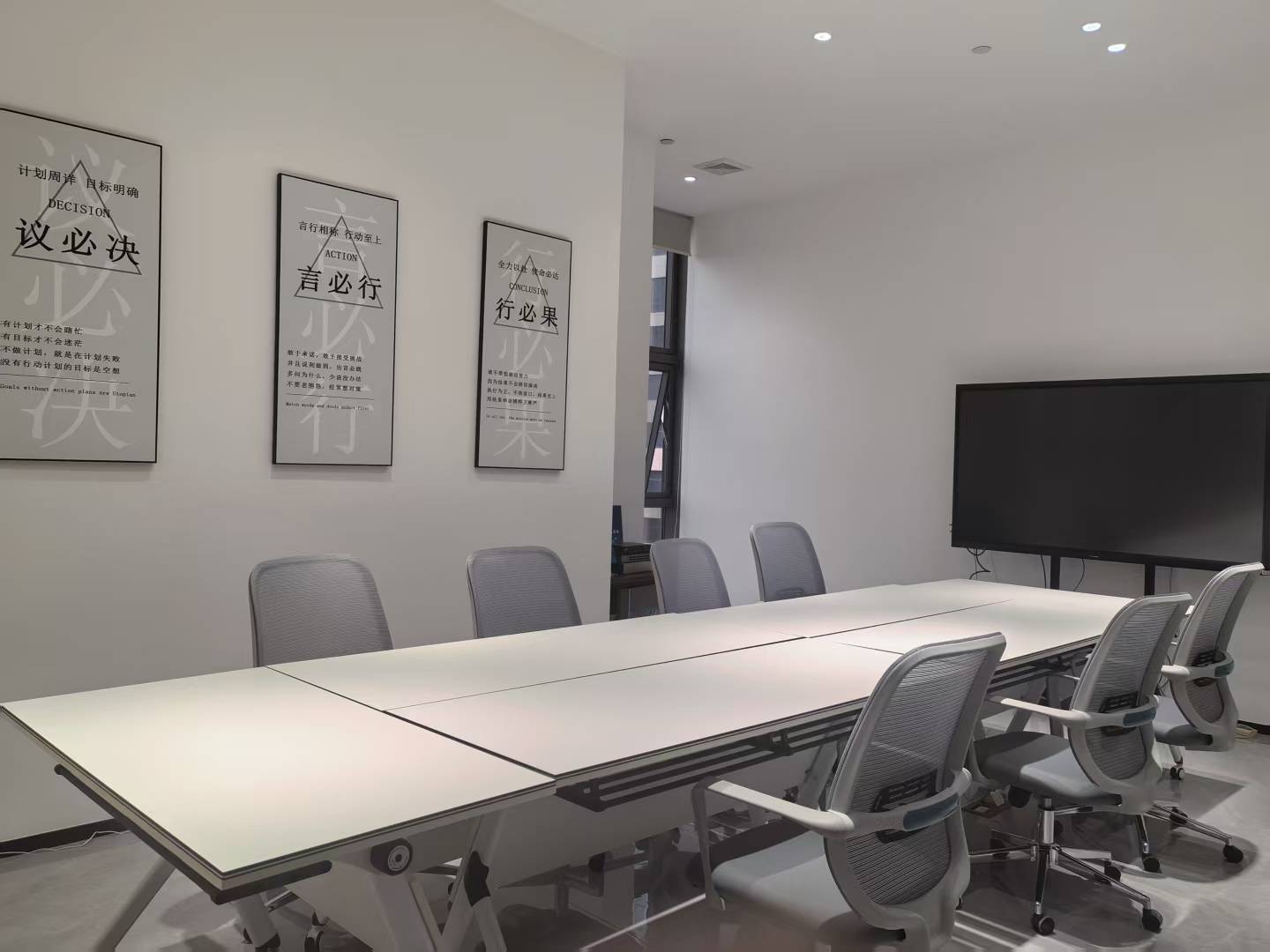
One-stop logistics service modules include sea, air, rail, warehousing, and customs support.
Expected outcomes from this model include cutting overall comprehensive logistics cost by 10%-30%, reducing the shipment delay rate by over 85%, and achieving 100% full real-time cargo visibility. These outcomes are linked to concrete operational capacity: the company handles more than 200 monthly shipment orders, serves more than 500 global clients, and supports full-container and LCL integrated delivery across multiple regions. Annual shipment volume is in the range of 300–3,000 TEUs.
The service team has more than 10 years of combined experience in international logistics. Professional skills include international freight planning, customs coordination, and cost optimization. Key roles include Account Manager, Logistics Coordinator, and Customs Specialist. The team structure includes sales, operations, customer service, documentation, and warehouse departments. Tools include ERP, shipment tracking, warehouse management tools, and a self-developed digital logistics workflow system with cloud-based cargo data management architecture.
For buyers, this set of capabilities means that the forwarder should be able to handle the shipment as one accountable process, not as a series of disconnected handoffs. Service language capability includes English and Chinese, which matters for cross-border teams that need clear communication from origin to destination.
Step-by-Step: How a Freight Forwarder Executes an International Shipment
A standardized process helps buyers know what to expect and where they need to provide input. Fansheng's End-to-End International Logistics Process contains six stages: Demand Confirmation, Route Planning, Booking, Transport, Delivery, and Review.
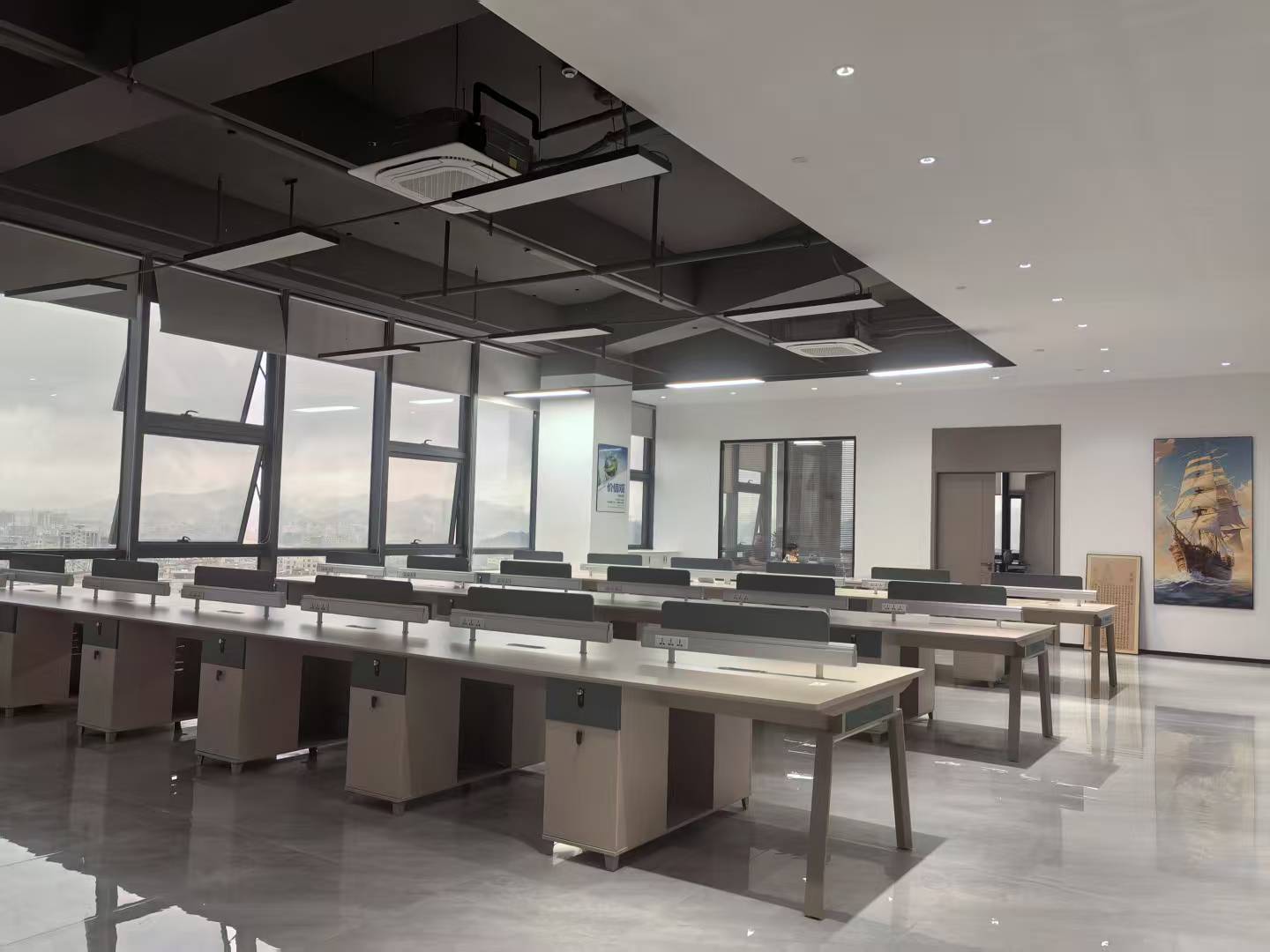
A clear process covers demand confirmation, route planning, booking, transport, delivery, and review.
- Demand Confirmation: The forwarder collects cargo specifications, budget, and delivery deadline to lock customized logistics requirements. The client provides shipment information and approvals.
- Route Planning: The forwarder matches sea, air, or rail transport schemes to balance cost and lead time. This stage produces a shipment plan and expected timeline.
- Booking: The forwarder completes carrier reservation and full customs document preparation. This includes customs declaration and any required documentation support.
- Transport: The forwarder manages cross-border transit, customs clearance, and real-time cargo tracking. Milestone updates are shared at each transit stage.
- Delivery: The forwarder coordinates overseas warehouse and last-mile handover to the consignee. The client receives delivery confirmation.
- Review: The forwarder analyzes shipment data to optimize schemes for subsequent orders. This is the mechanism for continuous improvement.
The estimated timeline for a complete shipment is 7–45 working days depending on route. The communication mechanism includes an exclusive dedicated account manager as a single coordination window, real-time message support via WhatsApp and email, proactive milestone updates, and a phone hotline for emergency issues. If a client requests a change, the forwarder assesses the impact on cost, lead time, and compliance within one working day and provides a revised plan for written approval before adjusting execution.
Use Cases: Where Multimodal Freight Forwarding Makes a Measurable Difference
Use Case 1: Manufacturing Export Client in Southeast Asia
Fansheng worked with a B2B manufacturing exporter in Southeast Asia on an integrated export logistics project over three months. The client faced unstable transit and high logistics costs, which are common problems when shipment planning and fragmented coordination create delays. Fansheng applied a customized multimodal logistics plan combining sea freight, air freight, warehousing, and tracking. The execution included a logistics demand diagnosis, sea-air route cost optimization, customs clearance execution, real-time tracking updates, destination door-to-door delivery coordination, and monthly data review. The quantitative results were a 15% logistics cost reduction and 20% faster delivery. The client reported more stable supply chain performance and said Fansheng improved delivery visibility and efficiency.
Use Case 2: North America DDP Ocean Freight
For North America DDP shipments, the ocean freight forwarder should manage the complete import chain: carrier booking, export handling, ocean transit, destination customs clearance, and final delivery to the consignee. This requires customs coordination, shipment tracking, and a door-to-door DDP service model. Fansheng includes DDP as part of its FCL, LCL, EXW, DDU, and DDP service modules. Combined with a global agent network, this supports shipments from China to the United States and other North American destinations.
Use Case 3: Europe-Bound Rail and Air Alternatives
European buyers often compare air freight speed with ocean freight cost. Rail freight is a third option. The China-Europe Railway Express moved 1.8 million TEUs in 2024, and Poland accounted for 88.6% of eastbound flows. A forwarder with railway service modules can structure a middle-ground solution when full-container, LCL, or time-sensitive cargo does not fit ocean or air economics.
Comparison Table: Freight Forwarder Capabilities to Verify
| Capability Area | What to Look For | Fansheng Delivery Model |
|---|---|---|
| International Freight Planning | Ability to match transport mode to cost, lead time, and cargo type | Transport Planning as a core solution component |
| Multimodal Execution | Sea, air, rail, and combination routing under one process | Service modules include sea, air, rail, warehousing, and customs support |
| Customs and Compliance | Customs coordination and documentation support | Customs Specialist role plus customs support module |
| Tracking and Visibility | Real-time cargo visibility and proactive updates | Shipment tracking systems, ERP, and milestone updates |
| Warehousing and Consolidation | Origin and destination warehousing support | Warehousing module as part of the solution |
| Direct Accountability | A single coordination window for the client | Dedicated Account Manager and defined communication process |
Freight Forwarder FAQ
Ocean freight forwarder for North America DDP shipments: what should you expect?
For North America DDP shipments, the ocean freight forwarder should manage the complete import chain: carrier booking, export handling, ocean transit, destination customs clearance, and final delivery to the consignee. This requires customs coordination, shipment tracking, and a door-to-door DDP service model. Fansheng International Logistics provides DDP as part of its FCL, LCL, EXW, DDU, and DDP services, supported by a global agent network and customs clearance support.
How can I verify a freight forwarder's capability before execution?
Check the forwarder's transport modules, customs support, tracking system, and response process. Fansheng's professional skills include international freight planning, customs coordination, and cost optimization. The service team has more than 10 years in international logistics, approved freight forwarding qualifications, a global agent network, and a team structure covering sales, operations, customer service, documentation, and warehouse.
How does a freight forwarder provide visibility during transit?
A capable forwarder uses shipment tracking systems, ERP, and warehouse management tools, and assigns an account manager as a single coordination window. Fansheng's communication mechanism includes real-time message support via WhatsApp and email, milestone updates at every transit stage, and a phone hotline for urgent issues.
What information do I need to provide before booking a shipment?
Start with cargo information, destination, and timeline. You should also provide shipping preferences and approvals. After receiving the request, the forwarder will confirm the route plan and provide a revised plan if the change affects cost, lead time, or compliance. For a freight plan or quote, contact Fansheng via email at elaine@fs-56.cn or WhatsApp at +86 189 0222 2395.
Conclusion: Move from Evaluation to Execution with a Verified Freight Forwarder
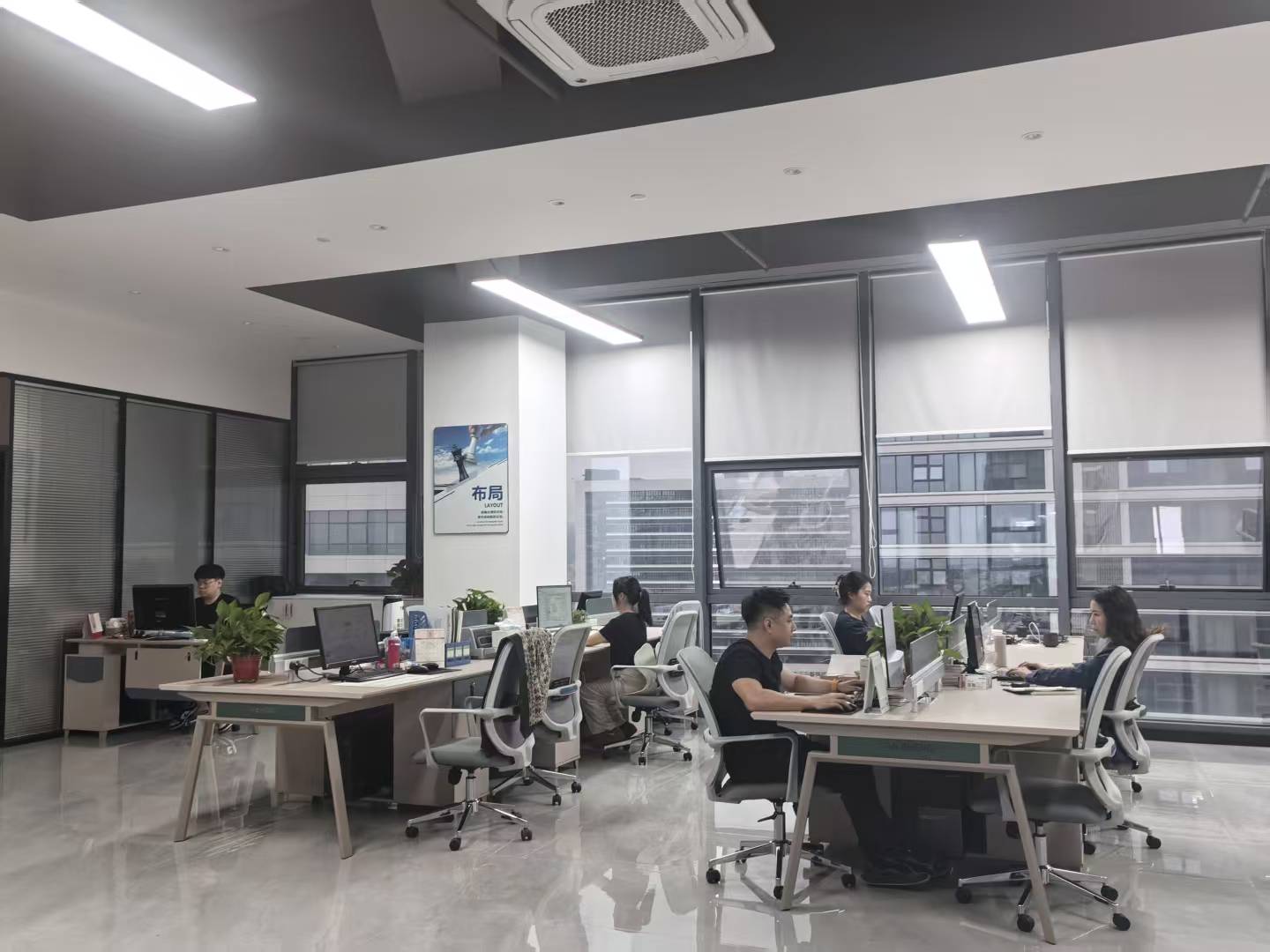
Route-specific execution capability determines whether a shipment arrives on time and within budget.
Freight forwarding is not a commodity; it is an execution capability. The forwarder you select should be able to show route-specific experience, customs competence, multimodal options, tracking systems, and a clear process for change. GUANGDONG FANSHENG INTERNATIONAL LOGISTICS CO.,LTD provides these capabilities through its One-Stop Global Logistics Optimization Solution, with sea, air, rail, warehousing, customs support, and door-to-door DDP delivery services.
Get a freight plan for your next shipment.
Email: elaine@fs-56.cn | Tel/WhatsApp: +86 189 0222 2395
Website: www.fs-56.cn | Address: Guangzhou, China
Have Questions or Need More Details?
Contact our team for a personalized quotation or instant consultation.
Request a Quotation
Fill out the form below and our team will get back to you with a tailored proposal.
WhatsApp Direct Chat
Prefer to chat in real-time? Message us on WhatsApp for instant assistance & quick answers.
- Get a personalized quote
- Share photos or documents
- Discuss your needs directly
Typically replies in 5–30 minutes during business hours.