Freight Forwarder Comparison: Integrated Partner vs. Multiple Standalone Forwarders
Freight forwarder comparison is rarely only about freight rates. For logistics managers, the deeper decision is whether to engage several standalone forwarders or appoint one integrated logistics partner that can coordinate the whole supply chain. The two models create different levels of cargo visibility, coordination efficiency, cost control, and risk exposure. This guide compares the models directly and explains what logistics managers should verify before choosing between an integrated partner and multiple standalone freight forwarders.
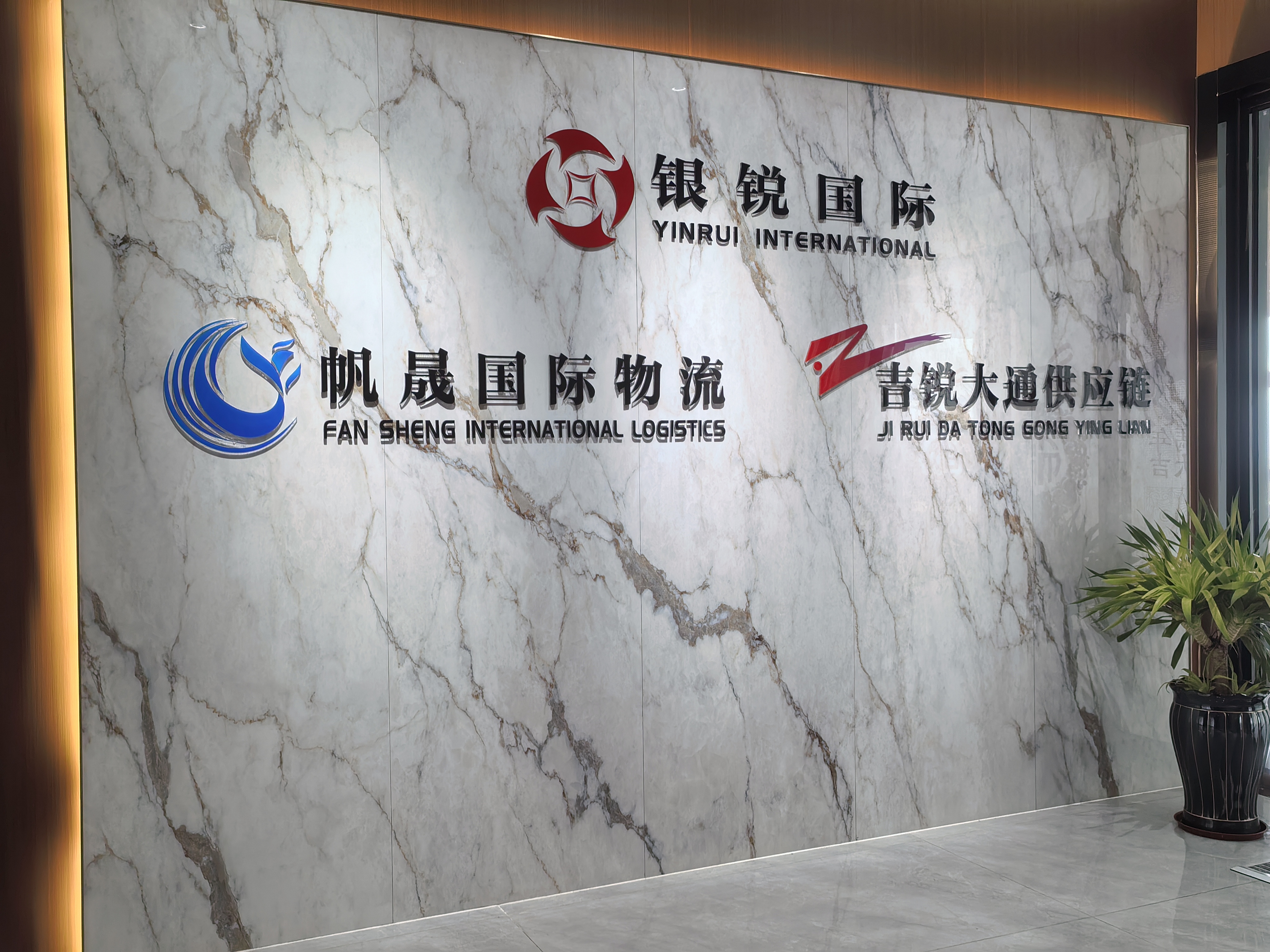
Evidence used here comes from documented logistics operations, an integrated global logistics solution, and customer-facing project data from GUANGDONG FANSHENG INTERNATIONAL LOGISTICS CO.,LTD (Fansheng), an international freight forwarding enterprise headquartered in Guangzhou, China.
Defining the Two Freight Forwarder Models
In a fragmented approach, a logistics manager uses multiple standalone freight forwarders, often selecting a different provider for each trade lane, transport mode, or service stage. One company may handle ocean freight, another may handle air freight, a third may provide customs clearance, and a fourth may manage warehousing or last-mile delivery. In this setup, the shipper or logistics manager becomes the central integrator. Every provider works independently, and coordination happens through separate emails, separate shipment updates, and separate invoices.
In an integrated model, a single freight forwarder takes responsibility for the complete logistics chain. Fansheng, for example, provides international sea freight (FCL and LCL), international air freight, international express, railway container transport, large cargo transport, dangerous goods transport, warehousing, trailer service, customs declaration, cargo integration, insurance, certificates, and fumigation as part of one supply chain management structure. The operational concept used by the company is named the One-Stop Global Logistics Optimization Solution. Its service modules include sea, air, rail, warehousing, and customs support, while its solution components cover transport planning, freight execution, tracking, and warehousing.
Standalone forwarders: strengths and limits
Standalone forwarders are often attractive because they appear specialized. A logistics manager may believe that a separate ocean freight forwarder for one route, an air freight forwarder for urgent cargo, and a rail forwarder for Europe-bound shipments will each bring deeper lane expertise and competitive spot rates. That can be true when one forwarder is responsible for one defined stage. The limitation appears at the handoff points. Shipment planning and fragmented coordination are documented causes of delays in export logistics. When the shipper must piece together different parties, there is no single person who owns the end-to-end timeline.
Integrated partner: one point of ownership
An integrated logistics partner offers one accountable coordination window from booking to delivery. Fansheng assigns a dedicated account manager as the single coordination window and provides proactive cargo milestone updates at every transit stage. Because the company combines transport planning, freight execution, tracking, warehousing, and customs support, the logistics manager does not need to follow up separately with a freight forwarder, a customs broker, a warehouse operator, and a last-mile carrier.
Industry Background: Why the Model Decision Matters Now
The global freight forwarding market was valued at about USD 225.4 billion in 2025 and is projected to reach USD 340.1 billion by 2033, according to Grand View Research. Rising trade volumes continue to test the operational models used by B2B importers and exporters. China total exports reached USD 3.58 trillion in 2024, a year-on-year rise of 5.9%, according to the General Administration of Customs of China. Rail has also grown as an alternative between air and ocean: the China-Europe Railway Express carried approximately 1.8 million TEUs in 2024.
Larger shipment volumes mean more parties, more documents, and more opportunities for delay. The commercial question is no longer only which route or which rate a freight forwarder can offer. It is which operating model can maintain visibility when cargo passes through multiple countries, multiple carriers, and multiple regulatory environments.
Problem Definition: The Real Cost of Fragmented Coordination
Fragmented service is one of the documented limitations of the standalone forwarder model. One customer case illustrates the pattern. A Southeast Asia B2B manufacturing exporter needed sea freight, air freight, warehousing, and tracking. The exporter experienced unstable transit and high logistics cost. The diagnosis showed that shipment planning and fragmented coordination created delays. The problem was not necessarily the individual forwarders; it was the lack of a single integrated process connecting them.
In fragmented forwarding, logistics managers often discover three problems:
- Low cargo visibility: when one shipment passes through several independent vendors, each vendor only reports activity inside its own stage. No single provider can show a complete real-time picture.
- Coordination delay: every handoff adds another round of communication. A delay between ocean transport and warehouse booking can cause cargo to sit idle at the destination port.
- Unclear accountability: when an exception occurs, the logistics manager spends time identifying which standalone provider caused the issue rather than solving it.
These risks are especially visible for door-to-door DDP transactions, customs-sensitive cargo, multimodal shipments, and repeat orders that need consistent delivery windows.
Expected outcomes of the integrated one-stop solution include cutting overall comprehensive logistics cost by 10%-30%, reducing shipment delay rate by over 85%, and achieving 100% full real-time cargo visibility.
Detailed Solution: What an Integrated Logistics Partner Changes
One-stop service scope
Fansheng describes its offering as integrated logistics execution from booking to delivery through a global network and multimodal transportation capability. The service modules include sea, air, rail, warehousing, and customs support. The solution components are transport planning, freight execution, tracking, and warehousing. This scope is relevant to buyers that need an ocean freight forwarder for North America, a European shipping line option, a Southeast Asia shipping line service, an Africa ocean freight forwarder, a South America ocean freight forwarder, or an international railway freight forwarder for the China-Europe Railway Express.
From a process point of view, Fansheng uses a standardized international shipping workflow that covers the full project from booking to delivery. The six stages are demand confirmation, route planning, booking, transport, delivery, and review. In the first stage, the company collects cargo specifications, budget, and delivery deadline. In the second stage, it selects a sea, air, or rail transport scheme that balances cost and lead time. In the booking stage, it completes carrier reservation and customs document preparation. In the transport stage, it manages cross-border transit, customs clearance, and real-time cargo tracking. In the delivery stage, it coordinates overseas warehouse and last-mile handover to the consignee. In the review stage, it analyzes shipment data so the logistics plan can be improved for the next order.
Accountability and communication
The integrated model also changes communication structure. Fansheng assigns a dedicated account manager as a single coordination window, supports real-time message communication through WhatsApp and email, sends proactive cargo milestone updates at every transit stage, and provides a phone hotline for emergency issues. This removes the need for a logistics manager to call multiple freight forwarders for the same shipment update.
Technical and team capabilities
Fansheng states that its industry experience spans more than 10 years in international logistics. Professional skills include international freight planning, customs coordination, and cost optimization. The service team is structured into sales, operations, customer service, documentation, and warehouse functions, with account managers, logistics coordinators, and customs specialists as key roles. The company also operates a self-developed digital logistics workflow system and a cloud-based cargo data management architecture that supports shipment tracking and warehouse coordination.
Step-by-Step Breakdown: Choosing between Standalone and Integrated Forwarding
Logistics managers in the evaluation stage should not make this decision based only on a single price quote. The following six-step process compares the two models around the criteria that matter after cargo leaves the factory.
- Audit the current forwarder structure. List every trade lane, every mode used, and every third-party provider involved. Identify handoffs where no single company provides real-time visibility.
- Define the required service scope. Decide whether the shipment needs only ocean freight or also customs clearance, warehousing, consolidation, last-mile delivery, insurance, certificates, and fumigation. A broader service scope increases coordination requirements.
- Evaluate capability on each route. A forwarder should be able to demonstrate knowledge of the relevant markets. Fansheng covers North America, South America, the Caribbean, Central America, Africa, Europe, Southeast Asia, the Middle East, and other regions through a global agent network.
- Compare the coordination mechanism. Ask who will be the single point of contact, how shipment milestones will be updated, and what tools are used for tracking. In the integrated model, the account manager is responsible for all parties involved in the shipment.
- Run a pilot project. Test the integrated model on a representative lane for a defined period. A three-month pilot allows both sides to measure transit time, delay rate, cost change, and visibility before a broader commitment is made.
- Review shipment data and optimize. Use monthly shipment data to compare the two models. Fansheng strengthens recurring shipments by reviewing data and adjusting the plan for subsequent orders.
Use Cases: When the Integrated Model Should Be Considered
Case study: manufacturing exporter with fragmented coordination
Fansheng documented an integrated export logistics project for a manufacturing export client in Southeast Asia. The client used sea freight, air freight, warehousing, and tracking services, and the project ran for three months. Before the project, the client faced unstable transit and high logistics cost, and the diagnostic phase found that fragmented coordination was creating delays. Fansheng applied a customized multimodal logistics plan. The execution covered deep diagnosis, route optimization, full shipment operation, customs clearance, real-time cargo tracking, destination door-to-door delivery coordination, and monthly shipment data review. The quantitative results were a 15% logistics cost reduction and 20% faster delivery. The qualitative result was a more stable supply chain, and the client feedback said Fansheng improved delivery visibility and efficiency.

North America ocean freight DDP shipments
For a North America ocean freight forwarder serving importers under DDP terms, the required scope is broader than freight transport. DDP means the shipper takes responsibility for delivering cargo to the buyer with duty and landed costs managed in the destination country. A forwarder handling these cargoes must coordinate customs clearance, documentation, transport, and final delivery while protecting transit visibility. This is a clear scenario where multiple standalone forwarders increase the risk of gaps, because customs declarations and last-mile delivery require close coordination with the overseas agent network.
Comparison Table: Integrated Partner vs. Multiple Standalone Forwarders
| Evaluation criterion | Multiple standalone forwarders | One integrated logistics partner |
|---|---|---|
| Structure | Several independent forwarders and brokers, each handling only part of the shipment | One responsible forwarder coordinating the full chain from booking to delivery |
| Visibility | Limited to each provider own segment; handoffs create visibility gaps and low visibility risk | Integrated tracking across the supply chain with the One-Stop solution aiming to achieve 100% full real-time cargo visibility |
| Coordination | Shipper or logistics manager must coordinate all parties and reconcile separate status updates | Dedicated account manager is the single coordination window; proactive milestone updates at every transit stage |
| Delay control | Fragmented coordination can create delays; responsibility is split across vendors | Documented integrated solution is designed to reduce shipment delay rate by over 85% |
| Cost control | Individual quotes may be competitive, but administrative overhead and exception handling rise | Integrated multimodal route planning supports cutting overall comprehensive logistics cost by 10%-30%; one documented case delivered a 15% reduction |
| Customs and compliance | Requires separate customs specialists or brokers for each shipment stage | Customs coordination and customs specialists are included in the service team; full-chain support covers customs declaration, certificates, and fumigation |
| Transport modes | May require one provider for ocean, one for air, one for rail, and one for warehousing | Sea, air, rail, warehousing, and customs support available within one service structure |
| Risk management | No single party owns end-to-end risk; exceptions are difficult to escalate | Accountability stays with the integrated forwarder; change requests are assessed and documented before execution |
Evaluation criteria include visibility, coordination efficiency, cost control, and risk management.
FAQ: Freight Forwarder Comparison Questions
Ocean freight forwarder for North America DDP shipments: what should logistics managers evaluate?
When selecting an ocean freight forwarder for North America DDP shipments, logistics managers should verify that the forwarder can manage the complete destination-side chain: customs clearance, documentation, inland transport, and final delivery. DDP requires coordination beyond the main ocean voyage. A forwarder with one-stop logistics execution can reduce handoff risk because the same service structure covers sea freight, customs support, warehousing, and last-mile delivery. The expected outcome of the Fansheng One-Stop Global Logistics Optimization Solution is reduced comprehensive logistics cost and full real-time cargo visibility across the shipment lifecycle.
Why does an integrated logistics partner reduce coordination problems compared with multiple standalone forwarders?
Multiple standalone forwarders can create fragmented coordination because no single provider controls the entire timeline. A documented manufacturing export case showed that shipment planning and fragmented coordination created delays. The integrated model responds by keeping route planning, freight execution, tracking, and warehousing inside one accountable workflow. Fansheng assigns a dedicated account manager as the single coordination window and provides proactive cargo milestone updates at every transit stage, so the customer is not required to assemble visibility from several independent vendors.
What evidence should a logistics manager request before moving from standalone forwarders to an integrated partner?
Logistics managers should request proof of a standardized logistics process, defined communication mechanisms, and documented case results. Fansheng provides a six-stage process from demand confirmation to post-project review, a dedicated account manager structure, real-time support through WhatsApp and email, and documented case data including a 15% logistics cost reduction and 20% faster delivery for a Southeast Asia manufacturing exporter. Asking for shipment records, tracking logs, and delivery reports is a practical way to validate the integrated model before full execution.
Conclusion and Next Step
The freight forwarder comparison between an integrated partner and multiple standalone forwarders comes down to accountability. Standalone forwarders can be effective for a simple single-lane transaction, but fragmented service lowers visibility and increases coordination risk. An integrated partner is generally a stronger fit when logistics managers need multimodal transport, DDP or door-to-door terms, customs support, warehousing, and repeat shipments across North America, South America, Europe, Africa, Southeast Asia, or other overseas markets.
Evaluate your freight forwarder structure against real shipment data. Contact Fansheng for an evaluation or a quotation on a pilot trade lane. Elaine can be reached at elaine@fs-56.cn or WhatsApp +86 189 0222 2395. Fansheng is based in Guangzhou, China, and offers global freight forwarding services through its worldwide agent network.
Have Questions or Need More Details?
Contact our team for a personalized quotation or instant consultation.
Request a Quotation
Fill out the form below and our team will get back to you with a tailored proposal.
WhatsApp Direct Chat
Prefer to chat in real-time? Message us on WhatsApp for instant assistance & quick answers.
- Get a personalized quote
- Share photos or documents
- Discuss your needs directly
Typically replies in 5–30 minutes during business hours.