Freight Forwarder Compliance: Approved Qualifications and Customs Coordination
A freight forwarder’s compliance position is defined by two things: the approved qualifications it actually holds, and the customs coordination capability it can name, staff and document. Importers who evaluate only rate and transit time are assessing roughly half of the risk they are about to carry. The other half sits in scope of approval, ownership of the customs declaration, and the paper trail that follows a shipment from origin warehouse to final delivery.
GUANGDONG FANSHENG INTERNATIONAL LOGISTICS CO.,LTD — operating as Fansheng International Logistics — is an international freight forwarding company based in Guangzhou, China, and a first-class international freight forwarding enterprise officially approved by the Ministry of Commerce. Established in 2015, the company provides international sea freight (full container load and less than container load) import and export, international air freight, international express delivery, railway container transport, large cargo transportation, dangerous goods transportation and warehousing, supported by customs declaration, cargo integration, trailer, insurance, certificate and fumigation services.
This compliance guide sets out the minimum qualification and operational standards an importer should expect from a global freight forwarder, what customs coordination looks like when it is genuinely staffed rather than outsourced ad hoc, and how that compliance knowledge translates into fewer customs errors and shorter delays.
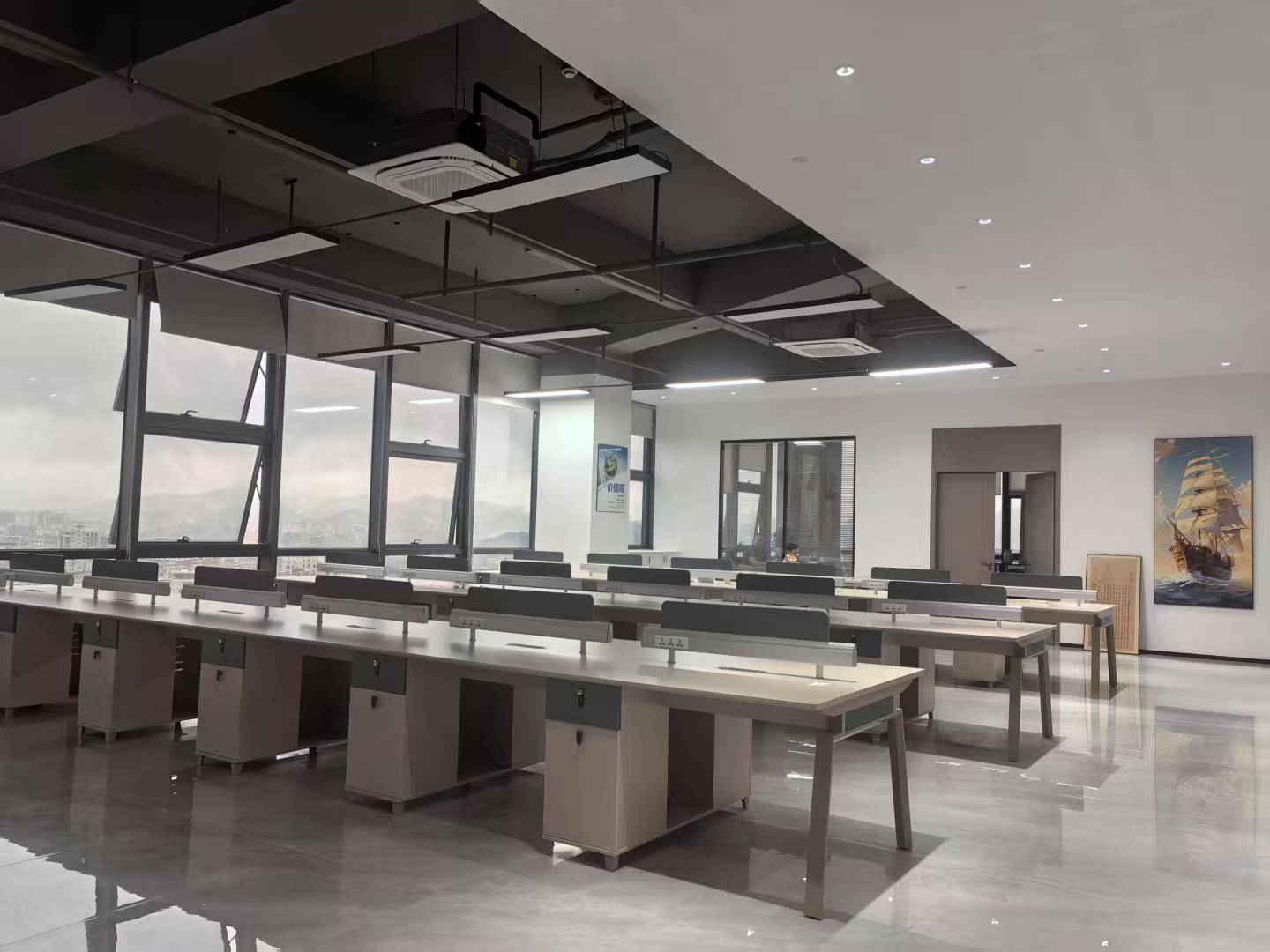
Fansheng International Logistics — international freight forwarding, customs declaration and cross-border logistics coordination.
Problem Definition: Why Compliance Gaps Surface at the Border
Most freight problems that importers describe as “the forwarder was slow” are not speed problems. They are information problems that become physical problems at the customs entry point, where the shipment stops moving until the paperwork is correct.
Three failure patterns repeat across lanes and cargo types:
- Scope failure. The cargo does not match the forwarder’s approved or practical scope — dangerous goods, battery-containing products, oversized project cargo, or temperature-controlled freight booked through an operator without the corresponding handling capability. The shipment is accepted at booking and refused or re-routed later.
- Ownership failure. Nobody on the forwarder’s side owns the customs file. Commercial invoices, packing lists, certificates and declarations are assembled by different people at different times, and the mismatches only appear when the entry is filed.
- Documentation failure. Required documents — certificate of origin, fumigation certificate, insurance documentation — are identified after booking instead of before it, and the consignment waits while they are produced.
A compliance-oriented evaluation therefore asks a different question than a rate comparison. It asks: is this forwarder approved and equipped to do this specific thing, and can it show me who is responsible for each step? That question is answerable before the first container is booked, and it is considerably cheaper to answer at that stage.
Industry Background: A Larger Market Under Heavier Regulation
Freight forwarding is a large and still-expanding service category. Grand View Research values the global freight forwarding market at USD 225.4 billion in 2025 and projects it to reach USD 340.1 billion by 2033. Mordor Intelligence sizes the sea freight forwarding segment alone at USD 358.31 billion in 2025, with an estimated CAGR of 5.26% through 2031.
Those two figures are not directly comparable. Published market sizes vary significantly depending on whether road freight and third-party logistics services are counted in the definition, and importers should treat any single headline number as directional rather than precise. The direction is consistent, however: volume keeps growing, and the regulatory surface around it keeps expanding.
China’s export base anchors that volume. Total Chinese exports reached USD 3.58 trillion in 2024, a 5.9% year-on-year increase, according to the General Administration of Customs of China, strengthening the country’s position as the world’s largest goods trader. Rail has become a meaningful middle option between air and ocean: China-Europe Railway Express volumes rebounded in 2024 with 1.8 million TEUs transported, and China-EU rail freight entering through Poland accounted for 88.6% of total eastbound flows in 2024.
Regulation moves with the cargo. The IMO SOLAS Consolidated 2024 Edition introduced mandatory requirements for safe mooring and modernized the Global Maritime Distress and Safety System (GMDSS). SOLAS governs vessel safety rather than forwarder licensing, but it illustrates the principle importers should internalise: compliance obligations in international freight are layered, they are updated on their own timetable, and responsibility for meeting them is distributed across carriers, forwarders and shippers.
For an evaluation-stage buyer, the practical consequence is that a forwarder’s value is increasingly measured by how well it manages the regulated part of the journey, not only by how competitively it books the transport.
The Minimum Compliance Baseline: Six Standards to Expect from a Global Freight Forwarder
1. Approved freight forwarding qualifications
An international freight forwarding company should be able to state the approval under which it operates and the entity that holds it. Fansheng International Logistics operates as a first-class international freight forwarding enterprise officially approved by the Ministry of Commerce and lists approved freight forwarding qualifications among its certifications. The verification step for an importer is straightforward: request the approval scope, confirm the legal entity issuing the bill of lading and customs documents matches the approved entity, and confirm that your trade lane and cargo type sit inside that scope rather than beside it.
2. A named customs specialist, not an ad hoc broker
Customs coordination is a role, not a task that can be added to whoever is free that week. Fansheng’s operating team is structured across sales, operations, customer service, documentation and warehouse functions, with defined key roles that include an Account Manager, a Logistics Coordinator and a Customs Specialist. When a forwarder cannot name the person who owns your customs file, documentation errors have no owner either — and errors without an owner tend to be discovered by the customs authority rather than by the forwarder.
3. A documented full-chain scope
Full-chain support at Fansheng covers warehousing, trailer, customs declaration, cargo integration, insurance, certificate and fumigation, alongside FCL, LCL, EXW, DDU and DDP terms and both air and railway freight. The compliance value is not the length of that list. It is that each element has a defined handover point, so responsibility does not disappear in the gaps between booking, consolidation, clearance and delivery.
4. Language capability across the customs file
Fansheng’s working languages are English and Chinese. Cargo descriptions, HS classifications and declaration instructions are the most literal parts of an international shipment, and they are also the parts most easily corrupted by translation. A working language that matches both the origin and the destination side of the transaction reduces the rework that comes from description mismatches.
5. Geographic coverage matched to the destination
Fansheng’s geographic coverage is worldwide, supported by a global agent network, with main markets across North America, South America, the Caribbean, Central America, Africa, Europe, Southeast Asia and the Middle East. Door-to-door DDP arrangements fail most often in the last mile, where the origin forwarder has no direct control. Coverage claims should therefore be tested against a specific destination address, not accepted as a general statement.
6. Whole-link tracking and documentary evidence
Fansheng works with shipment tracking systems, ERP and warehouse management tools, and a self-developed digital logistics workflow system built on a cloud-based cargo data management architecture. Compliance without visibility is unverifiable compliance: tracking updates, a shipping plan and a delivery report are what turn a claim into a record an importer can audit after the fact. Fansheng’s stated service capacity is 200+ monthly shipment orders and 500+ global clients, with an annual shipment volume of 300–3,000 TEUs and 10+ years of industry experience across manufacturing, retail, industrial equipment, e-commerce and consumer goods.
Step-by-Step Breakdown: How to Verify a Forwarder’s Compliance Before You Book
The verification sequence below can be completed before a purchase order is released, and it produces a written record that is useful if a clearance problem appears later.
- Confirm the operating approval. Request the legal entity name and the approval under which it operates as an international freight forwarder. Confirm that this is the entity that will appear on your transport and customs documents.
- Map your cargo to the licensed and practical scope. Dangerous goods, battery-powered products, heavy or oversized cargo, temperature-controlled shipments and standard FCL or LCL each sit in a different operational category. Confirm the forwarder handles yours as a standing service, not as a one-off exception.
- Name the customs owner. Ask who signs off the customs declaration, who reviews the HS description and who is contacted when an entry is queried. A role-based answer such as “our Customs Specialist” is stronger than a personal name alone, because it survives staff changes.
- Request the document set in advance. Invoice, packing list, certificate of origin, fumigation certificate, insurance documentation and the declaration itself. Confirm the forwarder can produce and coordinate each one, and confirm which party supplies what.
- Match Incoterms to reality. EXW, DDU and DDP place materially different obligations on the forwarder. Ask what changes in the workflow when the terms change, and whether the quoted service actually includes customs clearance and duty handling.
- Verify the destination side. For door-to-door delivery, confirm the destination agent, the last-mile arrangement and the format of the delivery confirmation you will receive.
- Set the reporting standard. Agree on the tracking format and reporting cadence before the first container moves, not after the first delay.
- Run a planned batch and review it. Start with a scheduled shipment rather than a single ad hoc booking, then compare the original plan against actual transit, cost and documentation performance.

Compliance verification produces a documented workflow: approval scope, customs ownership, document set and reporting cadence.
Use Cases: Where Customs Coordination Changes the Outcome
North America ocean freight under DDP
North American importers using DDP terms carry the widest compliance surface, because the forwarder is responsible for the customs entry, duty handling and delivery rather than only the ocean leg. That places the customs specialist at the centre of the shipment instead of at its edge. Fansheng lists North America among its main markets and provides ocean freight on DDP and door-to-door terms with customs clearance, trailer and last-mile delivery coordination.
Southeast Asia manufacturing export: a documented three-month project
An integrated export logistics project for a B2B manufacturing exporter in Southeast Asia ran for three months. The stated challenges were unstable transit times and high logistics cost; the diagnosis attributed both to fragmented coordination and shipment planning rather than to carrier performance. The applied solution was a customised multimodal logistics plan executed in six stages: logistics demand diagnosis and data sorting; sea-air multimodal route cost and schedule optimisation; full shipment operation and customs clearance execution; 24/7 whole-link tracking updates; destination door-to-door delivery coordination; and a monthly batch shipment data review with scheme iteration. Reported results were a 15% reduction in logistics cost and delivery 20% faster, with the client noting improved delivery visibility and efficiency. Deliverables were a shipping plan, a tracking report and a delivery report.
Dangerous goods and battery shipments
Dangerous goods and battery-containing products are the clearest test of approved and practical scope, because an operator without the corresponding capability cannot simply absorb the shipment later. Fansheng lists dangerous goods transportation and large cargo transportation as standing services alongside sea, air and railway freight, which means the cargo category can be assessed at quotation stage rather than at the port.
Rail into Europe as a compliance-relevant alternative
Rail adds a third option where ocean is too slow and air is too expensive, and it carries its own documentation and clearance requirements along the corridor. With China-Europe Railway Express volumes rebounding to 1.8 million TEUs in 2024 and 88.6% of eastbound China-EU rail freight entering through Poland, the routing decision is now a genuine planning choice rather than a niche one — and it should be evaluated on the same qualification and documentation criteria as ocean and air.
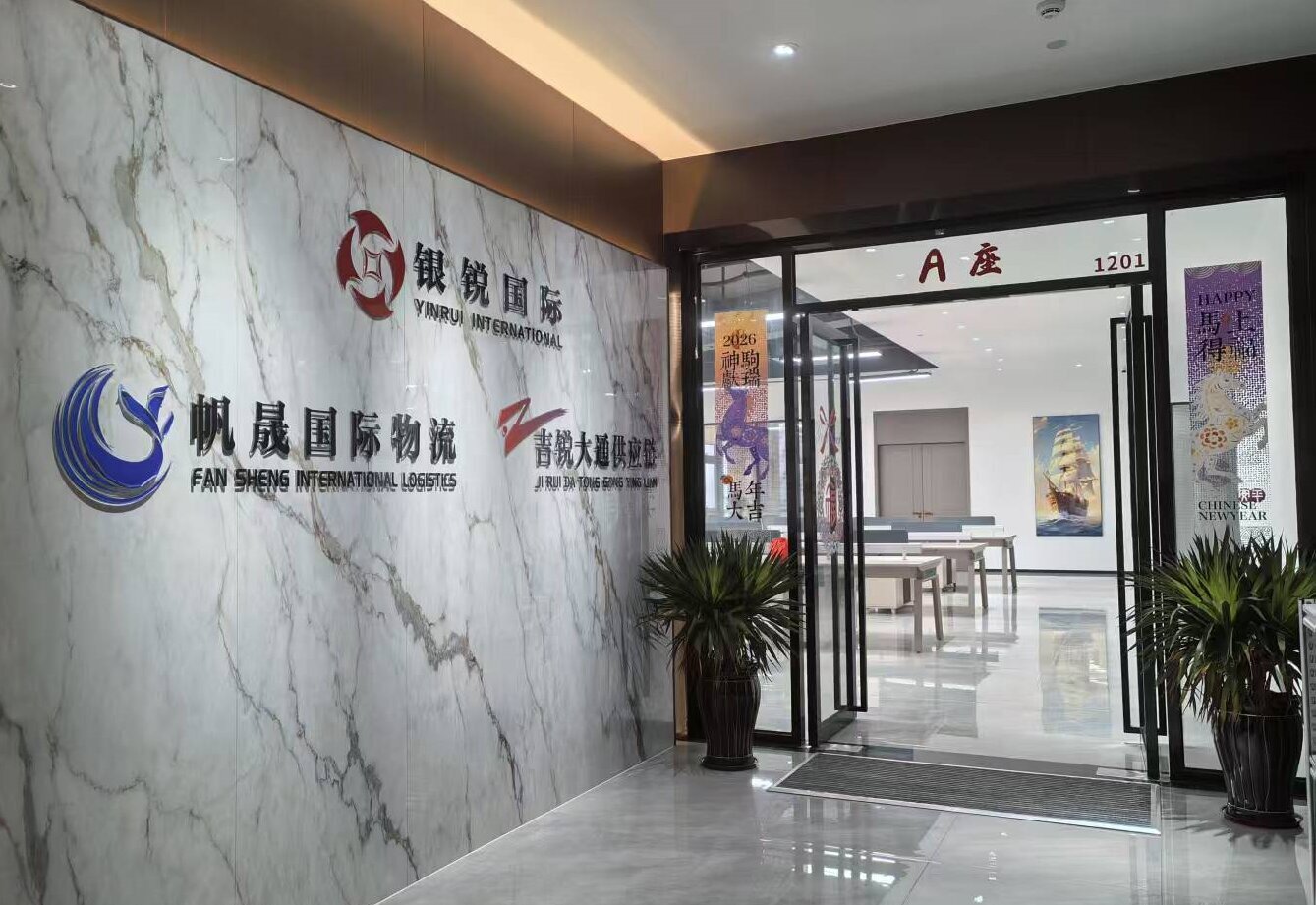
Integrated multimodal forwarding: ocean, air and rail freight routed through one customs and documentation workflow.
Comparison: Compliance Dimensions and Fansheng’s Verified Position
The table below converts the compliance baseline into a verification checklist, using only capabilities that Fansheng states and that an importer can ask to see documented.
| Compliance dimension | What the importer should verify | Fansheng’s verified position |
|---|---|---|
| Operating approval | The legal entity and the approval under which it operates as an international freight forwarder | First-class international freight forwarding enterprise officially approved by the Ministry of Commerce; approved freight forwarding qualifications listed among certifications |
| Licensed and practical scope | Whether your cargo category is handled as a standing service | FCL, LCL, EXW, DDU, DDP, air freight, railway, dangerous goods transportation and large cargo transportation |
| Customs ownership | The named role responsible for the customs declaration and its review | Key roles include a Customs Specialist, alongside an Account Manager and a Logistics Coordinator |
| Documentation chain | Ability to coordinate the documents a customs entry requires | Full-chain support covers warehousing, trailer, customs declaration, cargo integration, insurance, certificate and fumigation |
| Working language | Whether the forwarder can work in the languages of the origin and destination documents | Language capability: English and Chinese |
| Destination coverage | A named destination agent and a workable last-mile arrangement | Geographic coverage worldwide with a global agent network; main markets include North America, South America, the Caribbean, Central America, Africa, Europe, Southeast Asia and the Middle East |
| Visibility and evidence | Whole-link tracking and a documented reporting format | Shipment tracking systems, ERP and warehouse management tools, plus a self-developed digital logistics workflow system on a cloud-based cargo data management architecture |
What Volume Rankings Do — and Do Not — Tell You
Evaluation-stage buyers often begin with a shortlist drawn from “most recommended forwarder” lists. Container volume is a legitimate input to that shortlist, but it measures scale, not fit. Transport Topics ranked Kuehne + Nagel, Sinotrans and DHL as the top three global ocean freight forwarders by 2024 container volume, with Kuehne + Nagel handling 4.34 million TEUs.
| Rank by 2024 ocean freight container volume | Forwarder | Volume reported in source |
|---|---|---|
| 1 | Kuehne + Nagel | 4.34 million TEUs |
| 2 | Sinotrans | Not stated in the source |
| 3 | DHL | Not stated in the source |
Source: Transport Topics, Top 100 Ocean Freight Forwarders (2024 container volume).
That table answers one question: who moves the most containers. It does not answer the questions that matter at the customs entry point — who is approved and staffed to handle your cargo, on your lane, under your Incoterms, with a named owner for the declaration.
Frequently Asked Questions
What qualifications should an importer verify before a freight forwarder handles their customs declaration?
Verify the operating approval first, then the scope. Fansheng International Logistics operates as a first-class international freight forwarding enterprise officially approved by the Ministry of Commerce and lists approved freight forwarding qualifications among its certifications. Beyond the certificate itself, confirm three things: that the legal entity issuing your documents matches the approved entity, that your cargo category falls inside the scope the forwarder handles as a standing service, and that the forwarder can coordinate the documents a customs entry requires, including customs declaration, certificate of origin, fumigation and insurance documentation.
Which North America ocean freight forwarders are most recommended, and how should their compliance be checked?
Recommendation should be built on verified capability rather than brand size alone. The most commonly cited global benchmark is container volume: Transport Topics ranked Kuehne + Nagel, Sinotrans and DHL as the top three global ocean freight forwarders by 2024 container volume, with Kuehne + Nagel handling 4.34 million TEUs. For a North America ocean freight requirement, the decisive checks are narrower — approved freight forwarding qualifications, a named customs specialist, ocean freight available on DDP and door-to-door terms, and a confirmed destination agent for last-mile delivery. Fansheng International Logistics lists North America among its main markets and provides FCL and LCL ocean freight, DDP, customs clearance, trailer and last-mile delivery coordination, supported by a global agent network.
Does stronger customs coordination increase the cost of a shipment?
Customs coordination is not inherently a cost premium; total cost is driven by lane, cargo profile, Incoterms, consolidation and documentation rework. Fansheng lists cost optimisation alongside international freight planning and customs coordination as professional skills. In the three-month Southeast Asian manufacturing export project, the Logistics Cost Reduction metric recorded a result of 85% of original cost against a baseline of 100% of baseline logistics spend — a 15% improvement — with a reported ROI of 250% measured over a three-month period and an industry benchmark reference of 5–10% improvement. Those figures come from that project’s report and client feedback, and they are not a guarantee of results on other lanes.
How can an importer test a forwarder’s compliance process before committing volume?
Run a planned batch rather than a single ad hoc shipment, and define the outputs you expect from it. The Southeast Asian manufacturing export project was executed in six stages: logistics demand diagnosis and data sorting; sea-air multimodal route cost and schedule optimisation; full shipment operation and customs clearance execution; 24/7 whole-link tracking updates; destination door-to-door delivery coordination; and a monthly batch data review with scheme iteration. Deliverables were a shipping plan, a tracking report and a delivery report. A pilot that produces those three outputs gives an importer something measurable: whether declared scope matched execution, whether documentation arrived complete, and whether transit matched the plan.
How does customs knowledge actually reduce shipment delays?
Delays accumulate before the border, not at it. A customs specialist working from a complete document set catches mismatched invoices, packing lists and cargo descriptions early, which reduces the corrections, holds and re-bookings that turn into lost transit time. Fansheng’s reported outcome on the manufacturing export project included delivery 20% faster alongside the 15% cost reduction. Importers who want to test this on their own lane can send the route, cargo profile and Incoterms to the Fansheng team at elaine@fs-56.cn or +86 189 0222 2395 for a documentation and clearance review before booking.
Conclusion
Compliance in freight forwarding is not a certificate that sits in a drawer. It is an approved scope, a named customs owner, a coordinated document set and a reporting trail that can be compared against the original plan. Importers at the evaluation stage get more from verifying those four things than from comparing rate cards in isolation, because the cost of a clearance error is rarely visible in the quotation.
Fansheng International Logistics brings a 2015-established, Ministry of Commerce-approved operating base, 10+ years of industry experience, English and Chinese language capability, dangerous goods and large cargo handling, and full-chain support from customs declaration through to door-to-door delivery across North America, South America, the Caribbean, Central America, Africa, Europe, Southeast Asia and the Middle East.
Next step: review your clearance setup before you book
Send the route, cargo type and Incoterms for your next shipment, and the Fansheng team will map the qualification scope, the customs coordination owner and the document set your shipment requires.
Email: elaine@fs-56.cn · Tel / WhatsApp: +86 189 0222 2395 · Website: www.fs-56.cn
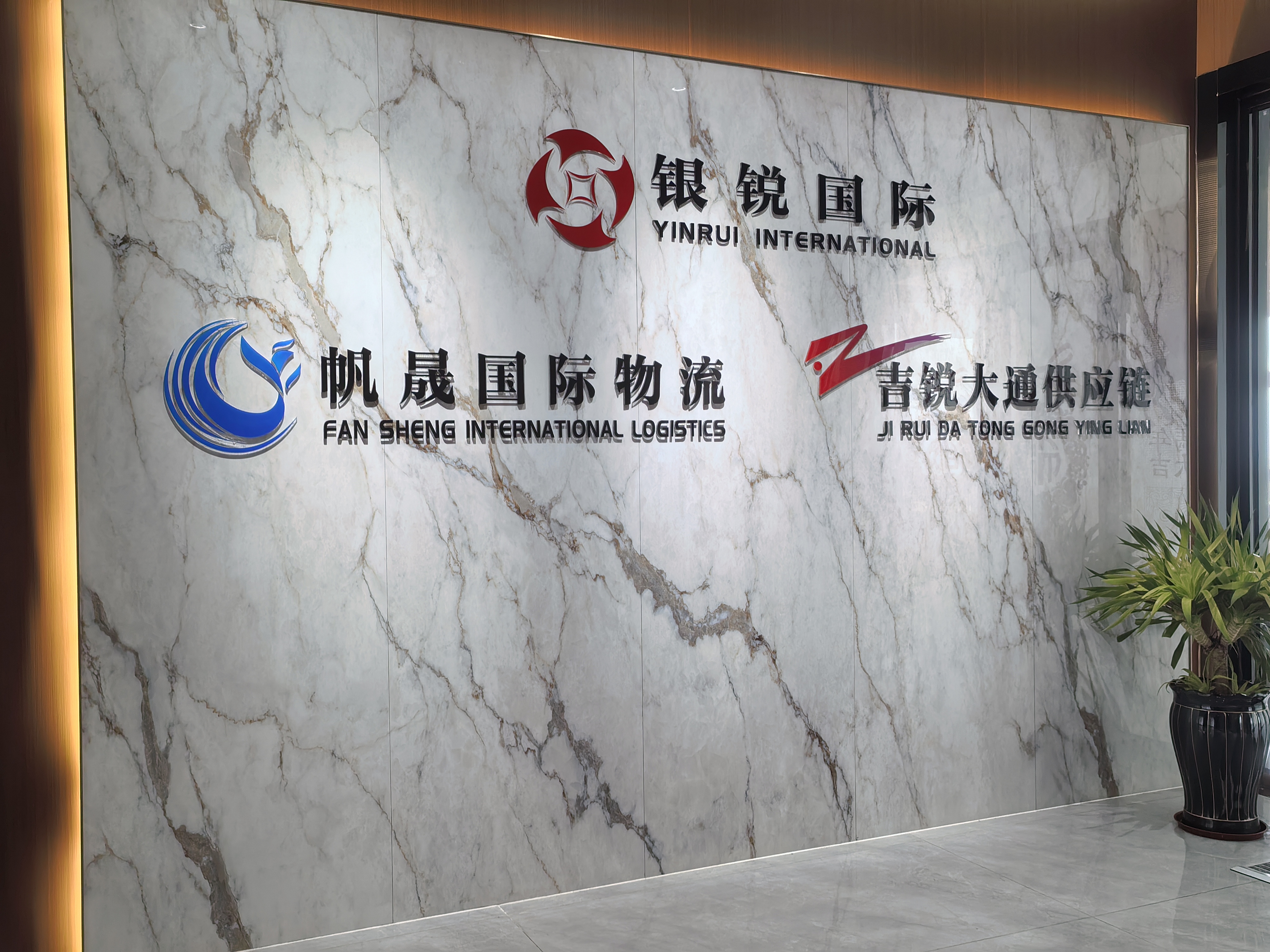
Contact Fansheng International Logistics for a qualification and documentation review before your next international shipment.
Have Questions or Need More Details?
Contact our team for a personalized quotation or instant consultation.
Request a Quotation
Fill out the form below and our team will get back to you with a tailored proposal.
WhatsApp Direct Chat
Prefer to chat in real-time? Message us on WhatsApp for instant assistance & quick answers.
- Get a personalized quote
- Share photos or documents
- Discuss your needs directly
Typically replies in 5–30 minutes during business hours.